The Best Guide To Design Better And Faster With Rapid Prototyping - Smashing


Mockplus - Design, Prototype & Collaborate better and faster - Truths
Since models are built on so much other details, it's essential to gather the necessary details in advance to putting pen to paper. Consider the following list and review the details supplied by your customer or supervisor: 1. What are the goals of the project? Start with the big image.
2. What competitive items do individuals presently use? A strong competitive analysis will provide a clear photo of the state of the marketplace for the item type, plus what today's users expect. 3. Who is the audience? What are their objectives? Understanding demographics and user needs supplies the context required to create products geared towards offering those particular user types and fulfilling their requirements.
A Guide to Prototype Design – UX Design Process - Toptal

Prototype Design & Modeling - SONOS Product Development
Not known Incorrect Statements About Design Thinking Stage 4: Your Complete Guide to
What kind of item is it, and what (device) is it for? With so numerous different technologies and solutions, UX designers need to know how the product will be utilized (web app, responsive website, mobile app, etc), on what gadget(s), and how different variations will exist side-by-side (if at all). 5.
6. What are the deliverables? Setting expectations about deliverables and the process is crucial for your preparation and workflow. Key Reference is different, however if the deliverables are well defined, the remainder of the UX design process has a higher chance of going smoothly. Delivery card model (by Ramotion). Draw Your Prototypes With our data available and arranged, the next step is to begin drawing.
/https://public-media.si-cdn.com/filer/86/b4/86b4fa37-6273-480a-a7a6-c5cb740ddc4d/patentcollage.jpg)
Pin by Артём Жигалин on design research - Web development design, Prototype design, Design
5 Simple Techniques For Chapter 04: Prototype - Design Thinking
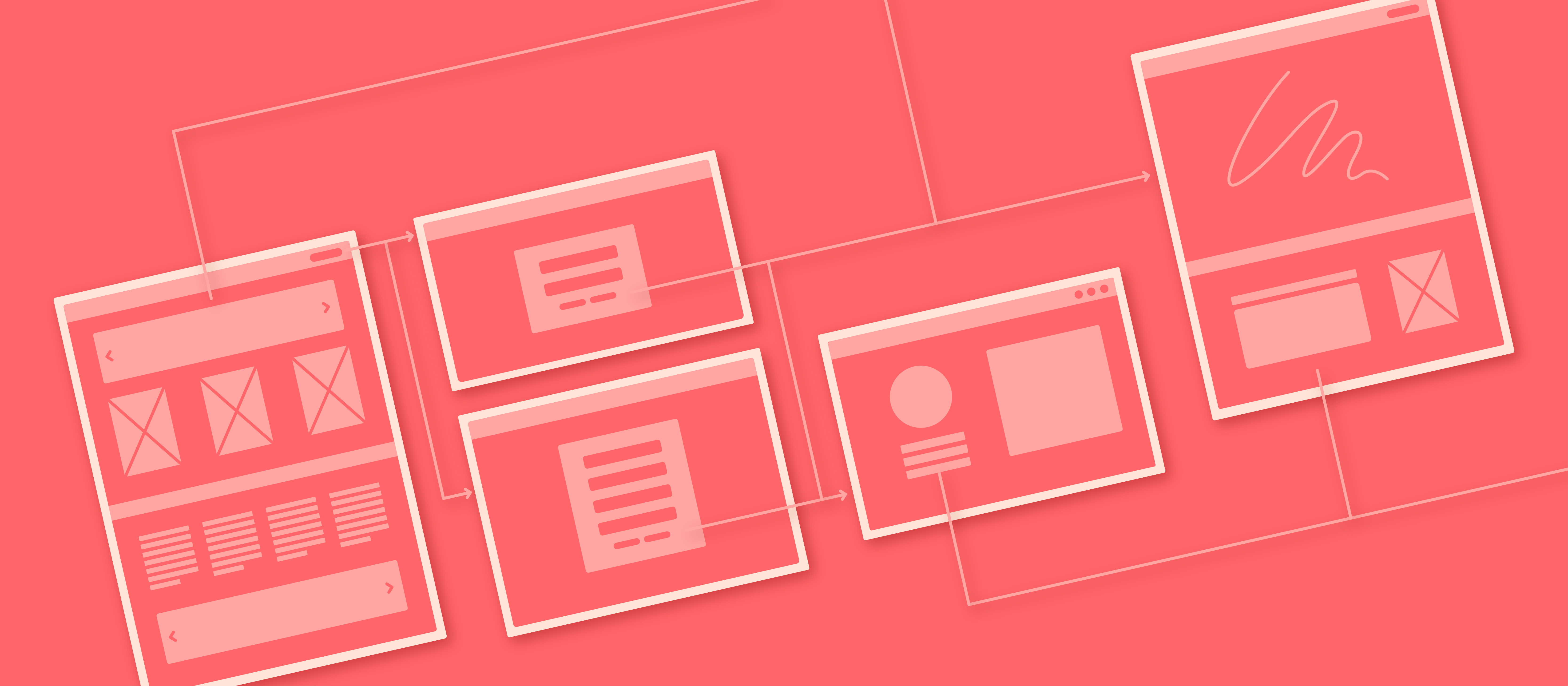
That's fine, however the function of preliminary sketches is to check out the available area to highlight what's possibleand, more importantly, what isn't. Collect your writing instruments of option, be it pencil and paper or whiteboard and marker. The sketching process is akin to a writer freewriting, or a musician strumming; draw what you feel based upon all the work you've done in advance, and considering the pieces below: Follow determining user circulations.
Each user flow will show some user inputs and outputs. Recognize what they are, how they associate with the user habits and expectations, what interactions they are included with, and how they work. After getting an idea of who will utilize the system, what they are going to do, and with what, it's time to see how.